Creating a cozy and inviting home office space can make a significant difference in your workday. Whether you work remotely full-time or just need a dedicated spot for occasional projects, your home office should feel comfortable and inspiring. A well-designed workspace helps reduce stress, improve focus, and enhance productivity. Here are practical tips to help you design a home office that is both warm and functional.
1. Choose the Right Location
Selecting a spot for your home office is the first step. Ideally, pick a quiet corner or a separate room away from heavy foot traffic and distractions.
– Natural light: Aim for a space with plenty of natural sunlight to boost mood and reduce eye strain.
– Privacy: Choose an area where you can focus without interruptions, especially for video calls or deep work.
– Space: Ensure there is enough room for your desk, chair, and any storage or equipment you need.
2. Invest in Comfortable and Supportive Furniture
Comfort is a key factor in creating an inviting home office, especially if you spend many hours working.
– Ergonomic chair: A chair with adjustable height, lumbar support, and good cushioning helps prevent back pain.
– Functional desk: Choose a desk that fits your space and matches your workflow. Consider adjustable or standing desks for added flexibility.
– Proper desk height: Your desk should allow your elbows to be at a 90-degree angle when typing to avoid strain.
3. Use Warm and Soothing Colors
Color influences mood and productivity. Warm tones and soft hues create a cozy feel.
– Neutral colors: Soft whites, beiges, or light grays provide a calm backdrop.
– Accent colors: Add touches of calming blues, greens, or pastel colors with accessories or wall art.
– Avoid harsh colors: Bright neon or overly dark shades can create tension or fatigue.
4. Optimize Lighting
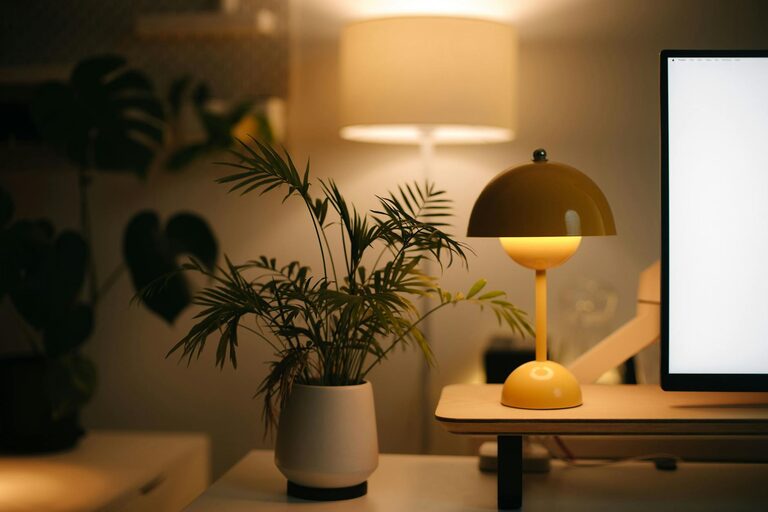
Good lighting is crucial for a welcoming and efficient workspace.
– Layered lighting: Combine natural light with overhead lights and task lamps.
– Adjustable task lighting: A desk lamp with adjustable brightness helps prevent glare on screens and reduces eye strain.
– Warm light bulbs: Use bulbs with a warm color temperature (2700K–3000K) for a cozy atmosphere.
5. Incorporate Personal Touches
Personalizing your workspace can make it more inviting and inspiring.
– Photos and artwork: Display meaningful photos or artwork that brings joy or motivation.
– Plants: Indoor plants improve air quality and add a natural, soothing element to your office.
– Decorative items: Use tasteful decor like candles, a cozy throw blanket, or unique stationery to reflect your style.
6. Keep It Organized and Clutter-Free
An organized workspace reduces stress and increases efficiency.
– Storage solutions: Use shelves, filing cabinets, or baskets to keep supplies tidy and accessible.
– Desk organizers: Tray organizers, pen holders, and cable management solutions help maintain a clutter-free desk.
– Regular cleanup: Take a few minutes each day to clear your desk and organize papers or digital files.
7. Use Technology Thoughtfully
Technology is essential but can also overwhelm the space.
– Cable management: Use cable clips or sleeves to keep cords neat and out of sight.
– Essential devices: Limit gadgets to those that directly support your work to avoid distractions.
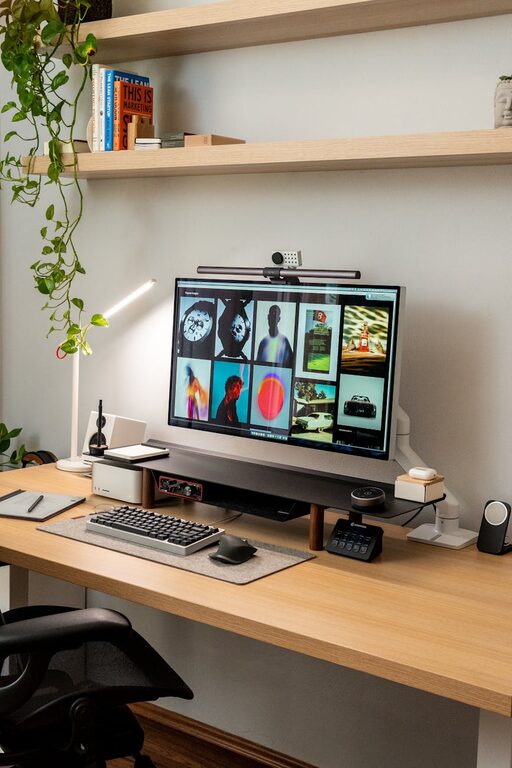
– Quality equipment: Invest in a good monitor, keyboard, and mouse for comfort and productivity.
8. Add Cozy Textiles
Soft textiles add warmth and comfort to your home office.
– Rugs: A small area rug can soften a hard floor and define your workspace.
– Cushions and throws: Use cushioned seat pads or a soft throw blanket to create a hyggelig feel.
– Curtains: Light curtains or blinds can soften window light and add texture to the room.
9. Consider Sound and Smell
A cozy space appeals to all senses, including hearing and scent.
– Noise control: Use rugs, curtains, or acoustic panels to absorb sound and reduce distractions.
– Background music: If helpful, play soft instrumental music or white noise for focus.
– Aromatherapy: Light a scented candle or use essential oils with calming scents like lavender or eucalyptus, but avoid overpowering fragrances.
10. Change It Up Occasionally
A flexible space can keep things fresh and prevent burnout.
– Rearrange furniture: Changing your desk position or chair placement can create a new perspective.
– Seasonal decor: Swap out small decor items for different seasons to keep your office feeling fresh and inviting.
– Take breaks outside: If possible, move your work briefly to another room or outside to boost creativity.
—
By thoughtfully considering these tips, you can transform your home office into a cozy and inviting retreat that supports your work habits and wellbeing. Remember that the best workspace reflects your personality while prioritizing comfort and functionality. Enjoy creating a space where you feel motivated, comfortable, and productive every day.
Related Posts

Tips for Creating an Organized and Productive Home Workspace
Creating an organized and productive home workspace is essential for…
Tips for Creating a Cozy and Inviting Home Workspace
Creating a cozy and inviting home workspace is essential for…
Tips for Creating a Cozy and Functional Home Office Space
Creating a home office that is both cozy and functional…